

Free Quote

Packing and Moving Antiques: What You Need to Know

Moving antiques requires more care and planning than a typical household move. These items often carry both financial and sentimental value, and many are fragile due to age, materials, or craftsmanship that cannot easily be replaced. From antique furniture and artwork to delicate glassware and heirlooms passed down through generations, protecting these pieces during a move should be a top priority.

Whether you are relocating locally or planning a long distance move, taking the right precautions can make all the difference. Working with experienced professionals and using the correct packing techniques helps ensure your valuable items arrive safely.

At Checkmate Moving & Storage, our team of professional Castle Rock movers regularly helps homeowners transport delicate and valuable belongings with care. Here is what you need to know when packing and moving antiques.

Why Antiques Require Special Handling

Unlike modern furniture and household items, antiques often have unique vulnerabilities. Many pieces are made from materials that naturally weaken over time, such as aged wood, hand blown glass, or delicate fabrics. Even small bumps or pressure can cause cracks, warping, or other damage.

Another factor is craftsmanship. Antique furniture may include intricate carvings, hand joined wood, or decorative veneers that are difficult to repair if damaged. Artwork and framed pieces can also be sensitive to moisture, temperature changes, or improper packing materials.

Because of these risks, antiques should never be packed the same way as everyday household items. Taking extra time to properly protect them will significantly reduce the chances of damage during the move.

Start With a Careful Inventory

Before packing begins, take time to create a detailed inventory of your antiques. This step is important for both organization and protection.

Document each item by taking clear photographs from multiple angles. Make note of any existing marks, cracks, or wear so you can track the condition before and after the move. This is especially helpful for insurance purposes.

Your inventory should include items such as:

  • Antique furniture
  • Artwork and framed paintings
  • Mirrors and decorative glass
  • China and porcelain
  • Clocks and timepieces
  • Collectible figurines or sculptures
  • Vintage rugs and textiles

Having a complete list also helps your moving company plan how to pack and transport these items safely.

Gather the Right Packing Materials

When it comes to antiques, the quality of packing materials matters just as much as the packing technique. Using proper materials helps cushion fragile pieces and prevents shifting during transportation.

Some of the most important materials include:

  • Sturdy moving boxes in multiple sizes
  • Acid free packing paper
  • Bubble wrap for cushioning
  • Foam padding or moving blankets
  • Corner protectors for frames and mirrors
  • Packing tape designed for moving boxes
  • Specialty crates for extremely valuable pieces

Avoid using newspaper for antiques. The ink can transfer to surfaces and fabrics, which may permanently stain valuable items.

How to Pack Antique Furniture

Antique furniture is often the most challenging category to move because of its size, weight, and delicate construction.

Start by removing any detachable parts such as table legs, shelves, or decorative components. Wrap each piece individually with bubble wrap and secure them so they do not move during transport.

For wooden furniture, wrap the entire piece in moving blankets to protect the finish from scratches. Avoid placing tape directly on wood surfaces because adhesive can damage the finish.

Glass panels or mirrors within furniture should be removed if possible and packed separately using protective padding and sturdy boxes.

Large antiques may also benefit from custom crating. Professional moving companies often use wood crates to protect especially valuable items during transit.

Protecting Fragile Antiques and Collectibles

Smaller antiques such as porcelain figurines, glassware, and collectibles require careful packing to prevent breakage.

Wrap each item individually using acid free packing paper. After the initial layer, add bubble wrap for extra protection. Place the wrapped items in a box with several inches of cushioning material on the bottom.

As you fill the box, make sure there are no empty spaces where items could shift. Use packing paper or foam to fill gaps. The goal is to keep everything tightly secured without applying pressure that could cause damage.

Label the box clearly as fragile and indicate which side should remain upright.

Safely Packing Artwork and Mirrors

Artwork and mirrors require a slightly different approach. These items are vulnerable to both impact and pressure during a move.

Begin by wrapping the glass or surface with glassine paper or acid free paper. Then add a layer of bubble wrap or foam padding. Use corner protectors to prevent damage to frames.

Whenever possible, pack artwork vertically rather than laying it flat. Vertical packing reduces pressure and lowers the risk of cracks during transportation.

For high value artwork or oversized mirrors, custom crates provide the best protection. A professional moving company can build crates that prevent movement and shield the item from impact.

Consider Climate Conditions During the Move

Temperature and humidity can have a major impact on antiques. Wood furniture may expand or contract with sudden temperature changes, and fabrics or paintings can be affected by moisture.

If your move involves storage or long distance transportation, climate controlled storage may be a smart option. Climate control helps maintain stable temperature and humidity levels that protect delicate materials.

This is especially important for antiques such as vintage books, artwork, instruments, and antique wooden furniture.

When to Hire Professional Movers for Antiques

While some homeowners choose to pack their antiques themselves, many prefer to work with professionals who have experience handling delicate items.

Professional movers have access to specialized packing materials, custom crates, and proven techniques designed to protect fragile belongings. They also understand how to load items securely in the moving truck so they remain stable throughout the journey.

At Checkmate Moving & Storage, our experienced movers handle antiques with the same care we would give our own valuables. Our team understands the importance of protecting heirlooms and collectibles during every stage of the move.

Working with a trusted moving company can reduce stress and give you confidence that your most valuable belongings are in good hands.

Insurance and Valuation Protection

Even with the best packing and handling practices, accidents can still happen during a move. That is why it is important to review your moving insurance options.

Many moving companies offer different levels of valuation protection that help cover the cost of repairs or replacement if something is damaged. For antiques that have significant value, additional insurance coverage may be worth considering.

Before moving day, discuss your antiques with your movers so they can recommend the appropriate level of protection.

Preparing for Moving Day

When moving day arrives, try to keep antique items separate from the rest of your household belongings. This allows movers to load them carefully and place them in secure areas of the truck.

If possible, transport extremely small or valuable items personally rather than placing them in the moving truck. Family heirlooms, jewelry, and rare collectibles are often safest when kept with you during the move.

Clear communication with your movers is also important. Make sure the team knows which boxes or furniture pieces require special care.

The Importance of Experience

Moving antiques successfully comes down to preparation, proper materials, and experience. While packing everyday household items can be straightforward, antiques require a thoughtful approach that protects both their structure and their history.

Choosing experienced movers who understand these challenges can make the process far easier. With the right support, you can move even the most delicate items with confidence.

Final Thoughts

Antiques tell stories. They reflect craftsmanship, history, and memories that cannot be replaced. Taking the time to pack and move them properly ensures those stories continue for generations to come.

If you are planning a move and want expert help protecting your most valuable belongings, the team at Checkmate Moving & Storage is here to help. As trusted Castle Rock movers, we provide careful packing, secure transportation, and reliable service designed to make your move as smooth as possible. Reach out today to learn how our professional moving company can help you move antiques and other valuable items with confidence.

Commercial Moving Services: How to Relocate Your Business Without Stress

Relocating a business is more than just a logistical project. It is a crucial transition that requires foresight and accuracy.

Whether you’re moving a big corporation or a boutique office, a successful commercial move hinges on smooth execution and thorough planning.

A move that has a lot of mistakes made during it could create a lower bottom line, as the business has to be delayed. To manage relocation stress, there are many things that people can do before and after the move.

Make Sure You Have Enough People

If a company has just one person managing the move, don’t be tempted to think you can do it by yourself.

A move might take a sizable group who all work together to make it happen smoothly. If you don’t have enough people working together, it’s going to be highly stressful due to impractical expectations. If you’re in charge of a move, be sure you have plenty of people so that each phase of the move can be managed.

Create a Detailed Moving Budget

Planning the budget for a long-distance office move can feel taxing, but it’s critical to do it correctly. Begin by creating a detailed budget covering everything, including:

  • Packing supplies
  • Setting up utilities
  • Professional commercial movers
  • Temporary storage
  • Possible downtime

Be sure to include those sneaky hidden costs that most businesses forget, like:

  • Early lease termination fee
  • Fees for updating business licenses
  • New signage
  • Relocation fees
  • Deposit on the utilities in the new office space

Adding some extra funds to your budget can save you a lot of headaches if something unanticipated occurs.

Begin Planning Your Office Move Early

When it comes to commercial moves, time can be on your side. That’s if you begin planning as early as possible, approximately 8-10 months before the actual move.

This gives you lots of time to hire the best commercial movers in Colorado, securing affordable, satisfactory rates, and handling all the details without rushing.

Create a complete moving checklist to have every part of the move on track. Separate it into tasks. Decide what should be done eight months before the move date, six months, three months, etc.

A detailed plan means you’ll have more flexibility if anything unpredicted occurs. Research your new commercial space ahead of time. Get information on local services, regulations, and permits. Prep work will save you time and energy down the line.

Tour the New Office and Pay Attention to the Floor Plan

To have the floor plan of the new office space isn’t enough. You also need to be sure that you take a tour of the new office.

You will see the physical features of the office that you can’t view from a floor plan. For example, there could be built-in shelving where you want to put a cubicle. There may be spaces with a rise in the flooring or other considerations that can impact who will be seated where.

The floor plan and an up-close tour will help the moving team plan accordingly. Having a copy lets you assign desks and offices, as well as see firsthand the conditions of the break rooms, conference rooms, bathrooms, lobby, etc.

You could discover that some of the furniture is too big for a specific area. Or, you might not have enough desks and accessories and need to get more before the move is done.

Develop an Inventory Plan

Being organized is vital to a successful commercial move. Begin by making a comprehensive list of everything in your office, including supplies, documents, furniture, and equipment. This list will be really handy for unpacking and tracking items during the move.

An excellent idea is to number or color-code things to sort them by priority and department, deciding where they’ll go in the new space. Take pictures of any expense items and their serial numbers to have a backup if anything should go missing. It makes filing an insurance claim easier if it becomes necessary to do so.

Be sure to flag anything that requires special care, such as expensive electronics, artwork, or confidential files. Thorough planning like this helps guarantee that nothing is overlooked and that your commercial movers know how to handle your most critical items.

Handle Administrative and Legal Changes

Don’t get slowed down due to paperwork. When updating your business address, be sure to alert all the important places, including:

  • Vendors
  • Banks
  • Insurance providers
  • Business licensing departments
  • Tax agencies
  • Subscription accounts
  • Professional organizations
  • Clients
  • Service providers
  • Suppliers

Staying organized will help you avoid any missing critical updates or misplacing vital mail during the move.

If you’re relocating to a new city and state, hiring a local business attorney could be worthwhile to help you learn any new regulations. It’s a small investment that may save you from any legal trouble or headaches later on down the line.

Putting in the Address Change

One of the things that typically gets forgotten during a move is putting in an address change.

The new address has to be added to your marketing, including your website, business cards of all your employees who have them, and every social media platform.

Everyone should know about your move, including your customers as well as every service company that provides their services to your organization.

A smart idea is to begin by giving out the new address and filing a change of address at your local post office ahead of time so that everything is in place by the time the move actually happens.

Coordinate IT and Technology Transfer

Your technology operation is the foundation of your business, so it’s vital to handle it wisely during a move. Work with your IT department to make plans for safely disconnecting and reconnecting everything in the new office space.

Begin by backing up all important data in various places such as external drives, off-site servers, and cloud storage.

This way, your data will be secure even if something goes amiss during the move. Additionally, arrange the disconnection and reconnection of phones, internet, and other systems ahead of time to eliminate avoidable downtime.

Also, try to get your tech set up at the new office before moving day. If your basic systems, internet, and phones are connected, your employees can get to work immediately without any issues.

Hire Professional Movers

Moving a business necessitates expertise and meticulous planning to guarantee little disruption to your business. Hiring experienced commercial movers with professional skills in handling office moves can make the transition efficient and effortless.

Choose a dependable and trustworthy commercial moving company with experience in handling office relocations. Do your research and check references, online reviews, and previous customers’ comments to be sure they have the necessary insurance and licenses.

Get quotes from several movers, comparing prices and services. Be sure the quotes plainly outline all services included, such as loading, unloading, and packing.

Don’t be scared to negotiate for a package that fulfills your particular needs.

Execute a Post-Move Follow-Up Plan

The work isn’t over just because you are at the new office. Create a post-move plan to be sure everything works correctly in your new location. Make sure that all the office equipment works, every employee has what they need, and all systems are functioning.

Arrange follow-up meetings with your team to get feedback, handle any problems, and make any necessary changes. Some issues only become obvious after some time in the new office, so remaining responsive is critical.

Take notes on lessons learned from this move for future reference. This information is priceless if you ever should relocate again, or can help other offices within your organization facing the same challenges.

Communicate with Your Team

Your moving team is your biggest asset, and making sure everyone is on the same page is crucial to staying productive and decreasing anxiety.

By sharing moving updates, including the timeline and everyone’s part in the move, you can help your team members feel more assured, prepared, and ready.

Team meetings at critical points are an excellent way to assign tasks, get feedback, and answer questions. Many employees, including people on the moving team, need to back up files, inform clients of the move, and pack up their desks.

It could also help to create a go-to communication outlet, like shared documents, frequent check-ins, and email updates, so everyone is in the know about any changes to the office move. Being open and transparent builds trust and keeps your team (and staff) encouraged as you handle this office move together.

Conclusion

At Checkmate Moving & Storage, we know that commercial moves necessitate more than just packing boxes and putting them on a truck.

Whether you need Denver movers for relocating a small business or Highland Ranch movers for moving a big corporate headquarters, our main concern is keeping the transition from the old office to the new one going smoothly. Call us today for a free quote.

Hidden Moving Fees You Should Know About (and How to Avoid Them)

Unexpected moving expenses can stretch your budget if you’re not paying attention. There are many ways to shield your budget from high moving costs.

Moving is usually a stimulating milestone. However, it’s not only about renting a van or packing boxes. Many hidden costs can catch you by surprise.

This blog reveals the less apparent expenses you may encounter when moving, helping you plan and prevent any unforeseen costs.

Moving is costly. How expensive it is contingent on many factors. While many moving costs are estimated based on the distance and size of your move, many unpredicted things often arise.

Since these hidden costs can affect your budget substantially, we gathered some information on the hidden costs of moving that you need to be aware of, from weekend moves to paying extra to climb stairs.

Hidden Costs of Moving

Moving to a new location is exciting, but it’s no mystery that the costs can add up rapidly. With so many details to manage, such as packing, securing a new place, and hiring movers, it’s easy to concentrate on the big-ticket expenses while hidden moving costs go unnoticed.

Whether you’ve been planning your move for a while or you need to pack up immediately, not being totally prepared could cost you. Look out for these hidden moving costs:

Packing Materials

Even though it’s not a hidden moving cost, the cost of packing materials such as bubble wrap, specialty containers, tape, and boxes can add up fast. Save money by asking family and friends for old boxes, newspapers, or other packing materials.

You could ask the moving team for packing materials, but it will most likely cost you a pretty penny.

Anticipate spending a couple of dollars per box and per roll of tape. For specialty boxes, like picture and wardrobe boxes, the cost is more than a couple of dollars.

Moving Insurance

Federal law mandates movers accept liability for items during moving services. FMCSA-registered movers have options like waiver of full value protection or complete value protection.

Released value is inexpensive, but your items are valued and insured. This means you’d lose out significantly if any smaller, valuable items are destroyed or damaged.

Movers can also put a monetary limit on their liability for valuables like jewelry or art. Make sure you understand clearly the insurance coverage, asking if it covers damage to your home. Additionally, be sure to know what your homeowners or renters’ insurance covers. If you need additional insurance, moving companies typically sell third-party insurance coverage.

Stair, Elevator, or Long-Haul Fees

Anticipate extra fees if movers have to deal with elevators or carry furniture up flights of stairs. You might also pay more if movers can’t park close to the property and have to carry items a long way. Know your new home’s parking situation and layout ahead of time, and ask movers what extra costs to expect.

Professional Movers

Movers registered with the FMCSA (Federal Motor Carrier Safety Administration) must provide written estimates. A fixed estimate ensures you don’t pay more than the estimate, only if new services are added to the bill. A non-binding estimate needs to be somewhat correct, but the final cost of your invoice isn’t definite.

Get estimates from a few movers, comparing costs according to similar or the same services. Ask if additions like disassembling furniture, moving equipment, or packing services are included.

Heavy Item Charges

Movers might put on you an additional fee for heavy, big, or bulky items (china cabinets, pianos, or backyard swing sets). There might also be extra fees if items must be lifted through a window.

Weekend or Summer Moving

Most moves happen in the summertime (June – September). Weekends are also quite popular, particularly the first and last weekends of the month. Because professional movers charge more at these times due to demand, avoid them if you can.

Parking Tickets or Fees

Don’t be shocked that this is on the list. We highly suggest asking parking questions like: how long can the movers park? Do you need a parking permit for the street when the movers show up? Is private parking available? Knowing the answers to these questions will help make clear any costs and lessen the surprise of unnecessary hidden costs.

Urban areas might not have assigned parking spots for moving trucks. If you, your movers, or your friends get parking tickets, you’ll need to pay them. Furthermore, if they must park in paid or metered spots, you’ll need to cover the costs.

Eating and Sleeping

Your move might take one or a few days of traveling based on how far you are going and your mode of transport. Do you need a bigger budget for airlines, parking, or gas?

Do you need to book temporary housing? How much should you budget for meals? Remember, until you’re in your new home, you may not have access to a kitchen, electricity, or gas. Keep these things on your moving checklist and moving budget, and you’re one step closer to curtailing hidden costs during a move.

Storage Space

A small home means less room for your things. If you can’t make up your mind on what to keep, you’ll have to rent a storage space. Sort your belongings beforehand into those you plan to keep and those you will donate or throw out.

Having a plan doesn’t mean everything will go precisely the way you have imagined. You need to be flexible enough to adapt to any possible delays or changes.

Have you created a plan for where to put your things should the current tenants not leave the property on time? These are deemed part of the hidden costs incurred with some moving services. In these situations, it is suggested to look for other storage facilities you can rent for a couple of weeks in case such delays happen, especially during a move from one state to another. Be sure to include these figures in your moving budget and moving checklists to prevent having these hidden costs.

Junk Removal

Can your building’s trash cans or dumpster handle all your discarded items before moving? If not, you’ll have to employ a junk removal service. Begin early and purge slowly to eliminate this cost.

Connection/Termination Fees

A local move may let you keep the same utility providers and transfer the ease of service to your new address. However, if you’re moving to another state, you’ll need to close the gas, phone, internet/cable, and electric accounts and open new accounts for your new place, meaning paying deposits and connection fees for new service.

Remember to keep in mind that these fees belong on your moving checklist so they aren’t hidden, unexpected costs for your move. It’s highly recommended to call the utility companies way before the move to guarantee that you have everything you need to make your move seamless.

Replace Donated, Tossed, Broken, or Sold Items

When you’re cleaning out your closet and your home in preparation to move, you probably feel relieved seeing a lot of your items donated, tossed, or sold. But remember, small fixtures and cleaning supplies that get left in your old house would have to be replaced in your new home. You may also feel the sorrow of items that get damaged or lost during the move and want to replace them. Brace yourself to expect the unpredictable situations and hidden costs during the move, which will decrease any budget-related stress that an interstate move will bring you.

Transportation and Travel Expenses

When thinking about the price of getting from point A to point B, travel costs will add up fast.

Driving costs – Long-distance moves include costs like fuel, tolls, and vehicle maintenance expenses. If you’re driving a big moving truck, gas costs can be considerably higher than those of a standard automobile.

Hotels and meals – If your move will go on for multiple days, include food and lodging expenses. Hotel stays can range from cost-effective motels to high-end, based on what you can fit in your budget and your preferences. Daily meal costs can also add up quickly, especially for families.

Car shipping services – If you’re not driving your vehicle, shipping it can be a substantial cost. Prices differ based on the type of vehicle and distance, with coast-to-coast transport typically being a huge cost. Enclosed transport or expedited shipping options for luxury vehicles could come at a higher price.

Avoid the Hidden Costs by Getting Professional Help

One of the best ways to eliminate the hidden costs of moving is to partner with movers who offer totally transparent pricing, even if you need emergency moving services.

At Checkmate, you will only pay for the services you need and use. We don’t add on extras, and we don’t try to pressure you into spending more on your move than you have to.

There are no hidden fees, and we offer free quotes. Reach out to us today to learn how Checkmate can simplify your move.

The Benefits of Temporary Storage During a Move

Moving isn’t always as simple as packing one home and unpacking in another. Sometimes closing dates don’t line up perfectly, renovations take longer than expected, or life simply throws a few unexpected challenges your way. That’s where temporary storage can make all the difference.

Many people think of storage as something you only need when you’re downsizing, but temporary storage can be one of the most valuable tools for making any move less stressful and more organized.

At Checkmate Moving & Storage, we’ve helped countless families and businesses navigate moves of every size. One thing we’ve learned is that having access to secure, reliable storage can provide the flexibility you need when plans don’t go exactly as expected.

When Temporary Storage Makes Sense

Every move is different, but there are several situations where temporary storage can make your life much easier.

Your Closing Dates Don’t Match

One of the most common reasons people need storage is because they’re selling one home before they can move into the next.

Maybe your current home closes on Friday, but your new home isn’t ready until the following week. Instead of rushing to find a solution or filling a garage with boxes, temporary storage provides a secure place to keep your belongings until you’re ready.

It bridges the gap between homes and gives you one less thing to worry about.

You’re Renovating Before Moving In

Many homeowners want to paint, replace flooring, remodel a kitchen, or complete other projects before moving furniture into their new home.

Trying to work around stacks of boxes and large furniture can slow contractors down and create unnecessary frustration.

Storing your belongings until the work is complete allows renovations to move more efficiently while keeping your furniture protected from dust, paint, and accidental damage.

Declutter Without Feeling Rushed

Preparing your home to sell often means making it look as spacious and inviting as possible.

Removing excess furniture, seasonal decorations, collectibles, and personal items helps buyers envision themselves living in the space.

Temporary storage gives you a place to keep these items without permanently getting rid of them.

Instead of cramming everything into closets or the garage, you can safely store belongings until you’re ready to move into your new home.

The result? A cleaner, less cluttered home that may even appeal to more potential buyers.

Pack in Stages Instead of All at Once

Packing an entire house can feel overwhelming.

Temporary storage allows you to spread the process out over several weeks instead of trying to do everything during the last few days before moving.

You can begin packing seasonal decorations, extra furniture, family heirlooms, and other non-essential items well in advance.

This approach makes moving day much less chaotic and gives you more time to stay organized.

Instead of feeling rushed, you’ll feel prepared.

Protect Valuable Belongings

Not everything needs to travel directly from one home to another.

Items like antiques, family heirlooms, artwork, collectibles, or specialty furniture often deserve a little extra protection.

A secure storage facility provides peace of mind by keeping these belongings safe until you’re ready to move them into their permanent location.

Knowing your valuables are secure allows you to focus on everything else that comes with relocating.

Temporary Storage Makes Downsizing Easier

Downsizing doesn’t always mean you’re ready to part with everything immediately.

Maybe you’re moving into a smaller home but haven’t decided what furniture will fit.

Perhaps you’re helping aging parents transition into a new living arrangement.

Or maybe you simply want time to sort through years of belongings without making rushed decisions.

Temporary storage gives you breathing room.

Instead of feeling pressured to donate, sell, or discard items during an already stressful move, you can make thoughtful decisions once you’ve settled into your new home.

Businesses Benefit Too

Temporary storage isn’t just for residential moves.

Businesses often use storage during office relocations, renovations, or expansions.

Office furniture, equipment, files, inventory, and technology can be securely stored while new spaces are prepared.

This helps minimize downtime and allows businesses to focus on serving customers instead of worrying about where everything will go.

Whether you’re moving a family home or an entire office, flexibility matters.

Less Clutter Means Less Stress

Moving can quickly become overwhelming when every room is filled with packed boxes.

Temporary storage helps create breathing room throughout the moving process.

As items are packed, they can be moved into storage instead of piling up throughout your home.

This makes your house easier to navigate, simplifies cleaning before moving day, and reduces the feeling that your entire life is living inside cardboard boxes.

Sometimes reducing visual clutter can reduce emotional stress as well.

One Trusted Team Makes the Process Easier

One of the biggest advantages of working with a moving company that also offers storage is convenience.

Instead of coordinating multiple companies, rental trucks, and storage facilities, everything can be managed through one trusted provider.

Your belongings are professionally packed, transported, securely stored if needed, and delivered when you’re ready.

That means fewer moving parts, less scheduling, and greater peace of mind.

Having one experienced team overseeing the entire process helps eliminate unnecessary complications and makes communication much simpler from start to finish.

Flexibility When Life Doesn’t Go According to Plan

Even the best-planned moves can experience unexpected delays.

Construction projects get pushed back.

Closing dates change.

Weather causes disruptions.

Travel plans shift.

Having temporary storage available gives you the flexibility to adapt without scrambling for last-minute solutions.

Instead of feeling like every delay creates a new problem, you’ll know your belongings are secure while you work through the next steps.

Sometimes the greatest benefit of storage isn’t the extra space, it’s the peace of mind.

Let Checkmate Moving & Storage Help Simplify Your Move

At Checkmate Moving & Storage, we know that no two moves are exactly alike. That’s why we offer solutions designed to fit your unique timeline and needs.

Whether you’re between homes, preparing for renovations, staging your home for sale, or simply need extra flexibility during your move, our secure storage options can help make the entire process smoother and less stressful.

Our experienced team is committed to handling your belongings with care every step of the way, so you can focus on settling into your new home instead of worrying about logistics.

If you’re planning a move and think temporary storage might help, we’d love to discuss your options. Contact Checkmate Moving & Storage today for a free estimate and discover how the right storage solution can make your next move easier from beginning to end.


Checkmate Moving and Storage based out of Denver, Colorado adheres to the highest moving company industry standards. We deliver full-service moving and storage services for all your residential, commercial, and industrial needs with the highest industry standards, and that is reflected in our Better Business Bureau A+ Accredited Business Rating. Because we are family owned and operated moving company, we are personally interested in maintaining our reputation. Contact us for a free quote.

 

Moving With Kids: How to Make the Transition Easier

Moving is exciting, it often means a new home, new opportunities, and a fresh start. But if you have children, you know that moving can also bring a mix of emotions. While adults are busy coordinating logistics, packing boxes, and scheduling movers, kids are processing a much bigger change. They may be leaving behind friends, familiar routines, and a place they call home.

The good news is that with a little planning and plenty of communication, you can help make the transition much smoother for the entire family. At Checkmate Moving & Storage, we’ve helped countless families relocate, and we’ve seen firsthand how a little preparation can go a long way.

Talk About the Move Early

One of the best things you can do is involve your children from the beginning. As soon as you know you’re moving, have an age-appropriate conversation about what to expect.

Explain why you’re moving and focus on the positive aspects, whether it’s a larger home, a new school, being closer to family, or an exciting new job opportunity. Encourage your children to ask questions and express how they’re feeling. Some kids may be excited, while others may feel nervous or even upset.

Remember, every emotion is valid. Simply listening and reassuring them that it’s okay to feel uncertain can help reduce anxiety.

Keep Routines as Normal as Possible

During a move, it can feel like life is turned upside down. While some disruption is unavoidable, maintaining familiar routines can provide children with a sense of stability.

Try to keep regular meal times, bedtimes, and family activities consistent throughout the moving process. Even something as simple as reading a bedtime story or having family movie night can help your child feel grounded during a time of change.

Consistency reminds kids that although their surroundings are changing, the things that matter most remain the same.

Let Kids Be Part of the Process

Children often feel more comfortable when they have some control over what’s happening.

Depending on their age, let them participate in the move by:

  • Packing their own toys and books
  • Choosing decorations for their new room
  • Labeling boxes with colorful markers
  • Helping decide what to donate or keep
  • Creating a checklist they can help complete

Giving children responsibilities makes them feel included and helps build excitement about the move.

Visit the New Neighborhood If You Can

If you’re moving locally or have the opportunity to visit your new community beforehand, take advantage of it.

Drive through the neighborhood together, visit a nearby park, stop for ice cream, or check out local attractions. If your child will be attending a new school, see if you can walk around the campus or playground before the first day.

Familiarity helps replace fear with curiosity and gives children something to look forward to.

If you’re moving long-distance, you can still explore together by looking at photos online, watching videos, or researching fun places to visit in your new town.

Pack a “First Night” Bag

One of the easiest ways to reduce stress is by packing a separate bag or box with everything your child will need during the first day or two in the new home.

Include essentials like:

  • Favorite stuffed animals or blankets
  • Pajamas
  • A few changes of clothes
  • Snacks
  • Toiletries
  • Books or small toys
  • Chargers for electronics
  • Any medications

Having familiar items easily accessible helps children feel more comfortable while the rest of the house is still surrounded by moving boxes.

Make Moving Day an Adventure

Moving day can be long and hectic, but it doesn’t have to feel overwhelming.

Try turning the day into an adventure.

Create a scavenger hunt for younger kids, let them “inspect” packed boxes, or give them a small backpack with activities for the ride to your new home. Older children may enjoy helping with simple tasks or documenting the move by taking photos throughout the day.

If possible, have younger children stay with grandparents, relatives, or trusted friends during the busiest parts of the move. This allows everyone to focus while helping reduce stress for little ones.

Unpack Their Room First

When you arrive at your new home, it’s tempting to start unpacking the kitchen or organizing the garage.

Instead, consider setting up your child’s bedroom first.

Having their own space filled with familiar bedding, favorite toys, and personal decorations helps create an immediate sense of comfort. Even if the rest of the house is still full of boxes, your child will have one place that feels like home.

That small step can make a big difference during the first few days.

Be Patient During the Adjustment Period

Every child adjusts differently.

Some settle in immediately, while others may need weeks or even months to feel completely comfortable.

Be patient and continue encouraging conversations about how they’re feeling. Stay involved as they make new friends, adjust to school, and discover their new neighborhood.

Celebrate small milestones, whether it’s finding their favorite park, joining a sports team, or making their first new friend.

Before long, your new house will begin to feel like home.

Let the Professionals Handle the Heavy Lifting

One of the best ways to reduce stress for your entire family is by hiring experienced movers.

Instead of worrying about lifting heavy furniture, organizing logistics, or making multiple trips, you can focus on what matters most, helping your children navigate the transition.

At Checkmate Moving & Storage, we understand that every move is more than just transporting boxes. It’s about helping families start their next chapter with confidence.

Our experienced team handles your belongings with care, communicates every step of the way, and works hard to make moving day as smooth and stress-free as possible.

Your Next Move Doesn’t Have to Be Overwhelming

Moving with kids may require a little extra planning, but it can also become an exciting family adventure. By keeping communication open, maintaining routines, involving your children in the process, and partnering with a trusted moving company, you can turn what feels like a stressful experience into a positive new beginning.

Whether you’re moving across town or across the country, Checkmate Moving & Storage is here to help every step of the way. Contact us today for a free estimate and let our experienced team take the stress out of your next family move.


Checkmate Moving and Storage based out of Denver, Colorado adheres to the highest moving company industry standards. We deliver full-service moving and storage services for all your residential, commercial, and industrial needs with the highest industry standards, and that is reflected in our Better Business Bureau A+ Accredited Business Rating. Because we are family owned and operated moving company, we are personally interested in maintaining our reputation. Contact us for a free quote.



Should You Store It, Sell It, or Let It Go?

Moving is the perfect opportunity for a fresh start. As you pack up your home and prepare for a new chapter, you’ll likely come across countless items that make you stop and think: Do I really need this?

Whether you’re downsizing, relocating across town, or moving into your dream home, deciding what to do with your belongings can be one of the most challenging parts of the process. The good news is that every item doesn’t have to make the trip with you. By asking yourself whether you should store it, sell it, or let it go, you can simplify your move, reduce stress, and save money along the way.

Start With Your New Space in Mind

Before making decisions about individual items, take a moment to consider your new home. Will you have more space, less space, or roughly the same amount? Understanding the layout and storage options available can help you determine what truly belongs in your next chapter.

For example, a large sectional couch may have worked perfectly in your current home but might overwhelm a smaller living room. Likewise, boxes of seasonal decorations may be easy to keep if your new home has a basement, but they could become a burden if storage space is limited.

The goal is to move with intention rather than simply transporting everything because it has always been there.

When Storage Makes Sense

Storage can be a valuable solution, but it should be used strategically.

Consider storing items when:

  • You know you’ll need them in the future.
  • You’re temporarily downsizing.
  • You’re waiting for a home renovation to be completed.
  • You’re moving between homes and need short-term flexibility.
  • The item has significant sentimental or financial value.

Examples might include family heirlooms, seasonal equipment, important documents, or furniture that won’t fit right away but may be useful later.

However, it’s important to avoid using storage as a way to postpone decisions indefinitely. If an item has sat untouched in storage for years, it may be time to reevaluate whether it’s truly worth keeping.

Before paying monthly storage fees, ask yourself: Would I buy this item again today? If the answer is no, storage may not be the best solution.

When Selling Is the Smart Choice

Moving can be expensive, which is why selling unwanted items can provide a financial boost while reducing the volume of belongings you need to transport.

Consider selling items that:

  • Are in good condition.
  • Have resale value.
  • No longer fit your lifestyle.
  • Won’t work in your new space.

Furniture, exercise equipment, electronics, tools, collectibles, and home décor are often great candidates for resale.

Online marketplaces, local community groups, consignment shops, and garage sales can all help you connect with buyers. Even a few successful sales can offset moving expenses, packing supplies, or storage costs.

One of the biggest advantages of selling before a move is that you’re reducing both the weight and volume of your shipment. Fewer items mean less packing, fewer boxes, and often a more efficient moving experience.

Just be realistic about what your items are worth. While many possessions hold sentimental value, buyers typically focus on condition, usefulness, and market demand.

When It’s Time to Let It Go

Let’s be honest, most of us own things we no longer need.

Old clothes, outdated electronics, duplicate kitchen gadgets, forgotten hobby supplies, broken furniture, and miscellaneous clutter often follow us from home to home without serving a meaningful purpose.

If an item no longer adds value to your life, it may be time to let it go.

Donating gently used items can benefit local charities, shelters, schools, and nonprofit organizations. Many communities offer donation pickup services, making the process even easier.

You may also consider recycling certain items, especially electronics, batteries, and appliances that shouldn’t end up in a landfill.

Letting go isn’t always easy, especially when memories are attached. But it’s important to remember that memories live in people and experiences, not necessarily in every object we own.

A helpful question to ask is: Does this item support the life I want to create in my new home? If the answer is no, it may be time to move on.

The Cost of Keeping Too Much

Many people underestimate the hidden costs of holding onto unnecessary belongings.

Every item you keep requires time to pack, space on the truck, effort to unpack, and room to store in your new home. In some cases, transporting low-value items can cost more than replacing them later if needed.

Decluttering before moving can:

  • Reduce moving costs.
  • Save time during packing and unpacking.
  • Make organizing easier.
  • Create a cleaner, more functional living space.
  • Reduce stress during the transition.

The less you move, the easier your move becomes.

Make Decisions One Room at a Time

Trying to evaluate everything in your home at once can feel overwhelming. Instead, tackle one room at a time.

Create three categories:

Store
Items you genuinely expect to use in the future.

Sell
Items with value that no longer fit your needs.

Let Go
Items that can be donated, recycled, or discarded.

By making small decisions consistently, you’ll build momentum and avoid last-minute stress as moving day approaches.

Let Checkmate Moving Help You Start Fresh

At Checkmate Moving, we know that moving is more than transporting boxes from one location to another. It’s an opportunity to simplify, reorganize, and create a home that better fits your life today.

Whether you’re downsizing, relocating, or simply looking for a smoother moving experience, taking the time to decide what to store, sell, or let go can make a world of difference.

When moving day arrives, you’ll be glad you focused on bringing the things that truly matter.

Checkmate Moving and Storage based out of Denver, Colorado adheres to the highest moving company industry standards. We deliver full-service moving and storage services for all your residential, commercial, and industrial needs with the highest industry standards, and that is reflected in our Better Business Bureau A+ Accredited Business Rating. Because we are family owned and operated moving company, we are personally interested in maintaining our reputation. Contact us for a free quote.
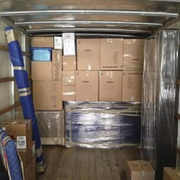
 

What to Expect on Moving Day

Moving day is exciting, but let’s be honest, it can also feel overwhelming if you don’t know what to expect. Between boxes, timelines, paperwork, and making sure everything arrives safely, there are a lot of moving parts. The good news? With the right preparation and a professional moving team by your side, moving day can be far smoother than most people imagine.

At Checkmate Moving & Storage, we believe preparation is the key to a successful move. Whether you’re moving across town or across the country, knowing how the day will unfold can help reduce stress, avoid delays, and keep everything on schedule.

Here’s a step-by-step look at what you can expect on moving day.

Before the Movers Arrive

A smooth moving day starts before the truck pulls into your driveway. Ideally, all packing should be completed the night before unless you’ve arranged for professional packing services.

One of the biggest causes of delays and increased moving costs is unfinished packing when the movers arrive. If boxes are still being filled or items are not ready to go, it slows down the loading process and adds extra labor time. Being fully prepared before moving day helps keep everything efficient, organized, and on budget.

Before the movers arrive, make sure to:

  • Finish packing and sealing all boxes
  • Clearly label boxes by room and contents
  • Set aside valuables, medications, and important documents
  • Disconnect electronics and appliances if needed
  • Make arrangements for children and pets
  • Keep hallways and walkways clear
  • Move vehicles out of the driveway or loading area

Having cars out of the way before the truck arrives makes a major difference. Clear access allows the moving crew to load efficiently and safely without unnecessary obstacles or delays.

It’s also important to prepare a small “essentials bag” with items you’ll need immediate access to after the move. Include things like phone chargers, toiletries, medications, snacks, bottled water, wallets, and a change of clothes.

Most importantly, make sure keys, garage door openers, gate access information, moving paperwork, and anything needed to access your new home are placed in a clearly labeled and easy-to-reach location. The last thing anyone wants is to arrive at the new house and realize the keys are buried somewhere deep inside the moving truck.

The Arrival and Walkthrough

When your moving crew arrives, the first step is usually a walkthrough of your home. During this time, the crew leader will review the items being moved, discuss any fragile or specialty pieces, and answer any last-minute questions.

This is your opportunity to point out:

  • Fragile items
  • Furniture that requires special handling
  • Boxes containing important belongings
  • Areas with difficult access
  • Items that are staying behind

Professional movers are trained to create an efficient loading strategy, so communication upfront helps avoid delays later in the day.

At Checkmate Moving & Storage, our team focuses on organization and communication from the moment we arrive, so you always know what’s happening throughout the process.

Protecting Your Home and Belongings

One thing many people don’t realize is how much preparation movers do before lifting a single box. Protecting your home and belongings is a critical part of the moving process.

Professional movers may:

  • Lay down floor protection
  • Use padding on doors and railings
  • Wrap furniture with moving blankets
  • Secure fragile items carefully
  • Disassemble large furniture when necessary

These extra precautions help reduce the risk of scratches, dents, or damage during loading and transport.

If you have especially valuable or sentimental items, let your movers know ahead of time so they can take additional care during handling.

Loading the Truck

Once preparations are complete, the loading process begins. Experienced movers load strategically, not randomly. Heavy items typically go in first, followed by lighter and more fragile belongings.

Professional loading matters more than most people realize because it helps:

  • Maximize truck space efficiently
  • Prevent shifting during transport
  • Reduce the risk of damage
  • Speed up unloading at the destination

One of the most important things to remember on moving day is to trust the professionals handling your move. Experienced moving crews load trucks every single day and understand the safest and most efficient way to pack belongings for transport. While customers often have suggestions on where things should go, professional movers are trained to balance weight properly, secure fragile items, and maximize space to help ensure your belongings arrive safely.

At Checkmate Moving & Storage, our team carefully plans every truck load with safety and efficiency in mind.

During loading, movers may periodically check with you to confirm where specific items belong or verify inventory details.

This is also a good time to do a final walkthrough of closets, cabinets, storage rooms, garages, and outdoor areas to ensure nothing gets left behind.

Transportation and Communication

After the truck is loaded, your belongings begin their journey to the new location. Depending on the distance of your move, delivery may happen the same day or over multiple days for long-distance relocations.

Reliable communication is one of the most important parts of a successful move. A professional moving company should keep you updated on:

  • Estimated arrival times
  • Delays caused by traffic or weather
  • Delivery scheduling
  • Any logistical updates

At Checkmate Moving & Storage, we understand that moving can feel stressful, which is why we prioritize communication and transparency throughout every stage of the process.

Unloading at Your New Home

Once the moving truck arrives at your new home, the unloading process begins. Movers will typically place boxes and furniture into the rooms labeled on each item, making unpacking much easier later.

To help things go smoothly:

  • Have utilities turned on before arrival
  • Ensure parking access is available
  • Confirm room labels are visible
  • Keep pathways clear for movers

Many homeowners are surprised by how much easier unpacking becomes when boxes are organized room by room from the start.

If furniture was disassembled during loading, the moving crew may also reassemble it during unloading depending on the services arranged.

Final Walkthrough and Inspection

Before the movers leave, there is usually a final walkthrough to confirm everything has been delivered and placed correctly. This is your chance to:

  • Check rooms, closets, and storage spaces
  • Verify inventory items
  • Inspect furniture placement
  • Ask any final questions

Taking a few extra minutes during this stage can help ensure nothing gets overlooked.

Tips for a Less Stressful Moving Day

Even with professional movers, a little preparation goes a long way. Here are a few final tips to make moving day easier:

  • Get a good night’s sleep beforehand
  • Keep important documents with you
  • Stay hydrated and eat throughout the day
  • Charge your phone fully
  • Be flexible if small delays occur
  • Focus on one step at a time

Remember, moving is a major life transition, but it doesn’t have to be chaotic.

Let Checkmate Moving & Storage Help You Move with Confidence

Moving day doesn’t need to be stressful when you have an experienced team helping every step of the way. From careful packing and transportation to organized unloading and communication, the right movers make all the difference.

Whether you’re relocating your home, apartment, or business, Checkmate Moving & Storage is committed to making your move smooth, efficient, and worry-free.

Checkmate Moving and Storage based out of Denver, Colorado adheres to the highest moving company industry standards. We deliver full-service moving and storage services for all your residential, commercial, and industrial needs with the highest industry standards, and that is reflected in our Better Business Bureau A+ Accredited Business Rating. Because we are family owned and operated moving company, we are personally interested in maintaining our reputation. Contact us for a free quote.
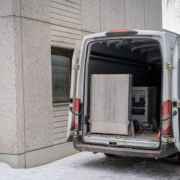
Preparing for a Long-Distance Move

A long-distance move is an exciting milestone, but it can also feel overwhelming without the right preparation. Whether you’re relocating for a new job, family, or a fresh start, having a solid plan in place can make all the difference. At Checkmate Moving and Storage, we believe that a successful move starts well before moving day. Here’s everything you need to know to prepare for a smooth, stress-free long-distance move.

Start Planning Early

One of the most common mistakes people make is underestimating how much time a long-distance move requires. Ideally, you should begin planning at least 6–8 weeks in advance. This gives you enough time to organize logistics, gather supplies, and handle unexpected challenges.

Start by creating a moving checklist and timeline. Break tasks down week by week, such as decluttering, scheduling movers, transferring utilities, and notifying important contacts of your address change. Staying organized from the beginning will help you avoid last-minute stress.

Declutter Before You Pack

Moving long-distance is the perfect opportunity to lighten your load. The more items you bring, the more your move will cost, so take time to sort through your belongings.

Go room by room and separate items into four categories: keep, donate, sell, and discard. Be honest about what you truly need. If you haven’t used something in over a year, it may be time to let it go. Not only will this reduce moving costs, but it will also make unpacking much easier in your new home.

Hire a Trusted Moving Company

Choosing the right moving company is one of the most important decisions you’ll make. For long-distance moves, experience and reliability matter. Look for a licensed and insured company with positive reviews and transparent pricing.

At Checkmate Moving and Storage, we specialize in long-distance relocations and understand the complexities involved, from careful packing to secure transportation. Booking your movers early ensures availability and gives you peace of mind as your moving date approaches.

Create a Packing Strategy

Packing for a long-distance move requires more care than a local move. Your belongings will be traveling a greater distance, so proper packing is essential to prevent damage.

Start by gathering quality packing materials, including sturdy boxes, bubble wrap, packing paper, and strong tape. Pack items by room and label each box clearly with its contents and destination. Consider color-coding boxes for easier unpacking.

For fragile items such as glassware, electronics, and artwork, use extra padding and mark boxes as “fragile.” If you prefer a hands-off approach, professional packing services can ensure everything is packed securely and efficiently.

Understand Moving Costs and Budget Accordingly

Long-distance moving costs can vary depending on factors like distance, weight, and additional services. Be sure to request a detailed estimate upfront so you know what to expect.

Budget for more than just the moving service. Additional expenses may include packing supplies, travel costs, temporary lodging, and storage if needed. Having a clear financial plan will help you avoid surprises along the way.

Prepare an Essentials Box

When you arrive at your new home, you won’t want to dig through dozens of boxes to find basic items. Pack an essentials box with everything you’ll need for the first 24–48 hours.

Include items such as toiletries, medications, a change of clothes, important documents, phone chargers, snacks, and basic kitchen supplies. Keep this box with you during the move so it’s easily accessible.

Take Care of Important Logistics

Before moving day, make sure all your important logistics are handled. This includes:

  • Transferring or setting up utilities (electricity, water, internet)
  • Updating your address with the post office, banks, and subscriptions
  • Transferring medical and school records if applicable
  • Canceling or updating local services

Taking care of these details in advance ensures a smoother transition into your new home.

Stay Flexible and Prepared

Even with the best planning, unexpected challenges can arise during a long-distance move. Weather delays, traffic, or scheduling changes are all possibilities. Build some flexibility into your timeline and maintain open communication with your moving company.

Working with experienced professionals like Checkmate Moving and Storage can help minimize disruptions and keep your move on track.

Final Thoughts

Preparing for a long-distance move doesn’t have to be stressful. With early planning, smart organization, and the right support, you can turn a complex process into a manageable and even enjoyable, experience.

At Checkmate Moving and Storage, we’re here to guide you every step of the way. From expert packing to reliable transportation, our team is committed to making your move as seamless as possible. Ready to get started? Contact us today and let’s make your next move your best move.


Checkmate Moving and Storage based out of Denver, Colorado adheres to the highest moving company industry standards. We deliver full-service moving and storage services for all your residential, commercial, and industrial needs with the highest industry standards, and that is reflected in our Better Business Bureau A+ Accredited Business Rating. Because we are family owned and operated moving company, we are personally interested in maintaining our reputation. Contact us for a free quote.

 

What NOT to Do on Moving Day

Moving day is exciting, but it can also be a little chaotic. At Checkmate Moving & Storage, we’ve helped thousands of families and businesses move smoothly, and we’ve learned that the difference between a stressful move and a seamless one often comes down to preparation.

Our professional crews show up ready to work, protect your belongings, and get you to your new home efficiently. But there are a few common mistakes that can slow things down, increase costs, and make the process harder than it needs to be.

To help your move go as smoothly as possible, here are a few things you definitely should NOT do on moving day.

Don’t Promise Everything Will Be Boxed… If It Won’t Be

One of the most common issues we see is when customers tell us that everything will be packed and ready, but when we arrive, many items are still loose.

We completely understand that packing can take longer than expected life gets busy. However, when items aren’t boxed properly, it creates several challenges:

  • Loose items are harder and slower to move
  • Fragile items may need to be packed properly before transport
  • Our crew has to stop loading to begin packing

When this happens, the moving process takes significantly longer than planned. In many cases, the crew must switch from moving mode to packing mode, which adds time and cost to the job.

If you’re unsure whether you’ll finish packing before the move, the best thing to do is simply let us know ahead of time. We can schedule packing services or plan accordingly so the day runs smoothly.

Don’t Still Be Packing When the Movers Arrive

Moving day is not the day to start packing.

When our crew arrives, we’re ready to begin loading the truck immediately. If boxes are still being packed while we’re trying to move furniture and organize the truck, it slows the entire process down.

Think of moving day like a production line, everything works best when it’s ready to go.

If boxes are still being taped, sorted, or filled while the movers are loading, several things happen:

  • Movers must stop and wait for boxes to be finished
  • Rooms can’t be cleared efficiently
  • Truck loading becomes less organized

Ultimately, this adds time to the move, which means higher costs and a longer day for everyone involved.

A good rule of thumb:
Try to have all packing completed the night before the move so the morning starts smoothly.

Don’t Say You’re Only Moving Half the House… Then Move Everything

Another situation we occasionally run into is when a move is scheduled based on a smaller job, perhaps half the house or a limited number of items but when the crew arrives, the plan suddenly changes.

For example, someone may initially say they’re moving:

  • Just a few rooms
  • Only certain pieces of furniture
  • Or half of their belongings

But when moving day arrives, they decide to move everything after all.

While we always try to help however we can, this kind of last-minute change can create major logistical challenges.

Moving companies schedule trucks, crews, and timing based on the original inventory estimate. When the job suddenly triples in size, it may require:

  • Additional crew members
  • Larger or additional trucks
  • A much longer loading time

Because of this, what might have been a simple move can quickly become three times the size of the original plan, which significantly increases the time and cost.

The best way to avoid this is to provide the most accurate inventory possible when scheduling your move. If your plans change before moving day, just give us a call—we can adjust the schedule ahead of time.

Don’t Tell the Movers How to Load the Truck

We completely understand the instinct to want things handled a certain way, after all, these are your belongings.

But one thing that can slow down a move is when customers try to direct how the truck should be loaded.

Our crews move furniture and household items every single day. They are trained to:

  • Protect fragile items
  • Maximize truck space
  • Balance weight for safe transportation
  • Prevent shifting during transit

Loading a moving truck is actually a bit like playing a real-life game of Tetris. There’s a strategy involved to ensure everything fits securely and safely.

When movers have to stop repeatedly to adjust their process or unload and reload items differently, it slows the move down and can sometimes make the load less efficient or less secure.

The best approach is to trust the professionals. If there are special items or concerns, absolutely mention them, but once loading begins, letting the crew do what they do best helps everything move faster.

A Smooth Move Is All About Preparation

Moving doesn’t have to be stressful. In fact, when everything is prepared ahead of time, moving day can actually be surprisingly smooth.

The key things to remember are simple:

  • Have everything packed before the movers arrive
  • Be accurate about how much you’re moving
  • Communicate with your moving company if plans change
  • Trust the professionals to handle the logistics

At Checkmate Moving & Storage, our goal is always to make your move as efficient and stress-free as possible. With the right preparation and a little teamwork, we can help ensure your moving day feels less like chaos—and more like the exciting start of your next chapter.

If you’re planning an upcoming move and want expert help every step of the way, our team is ready to assist. From packing to transportation to storage, Checkmate Moving & Storage is here to help you make the right move.


Checkmate Moving and Storage based out of Denver, Colorado adheres to the highest moving company industry standards. We deliver full-service moving and storage services for all your residential, commercial, and industrial needs with the highest industry standards, and that is reflected in our Better Business Bureau A+ Accredited Business Rating. Because we are family owned and operated moving company, we are personally interested in maintaining our reputation. Contact us for a free quote.

 

The Importance of Professional Packing

Moving can be one of life’s most stressful events. Between coordinating schedules, organizing logistics, and ensuring your belongings arrive safely, it’s easy to feel overwhelmed. One of the most critical and often underestimated parts of any successful move is professional packing. Whether you’re relocating a home or business, investing in professional packing services can make the difference between a chaotic move and a smooth, stress-free experience.

At Checkmate Moving and Storage, we’ve seen firsthand how proper packing protects valuables, saves time, and eliminates unnecessary stress. Here’s why professional packing services are one of the smartest decisions you can make when planning your next move.

Why Packing Matters More Than You Think

Packing isn’t just about putting items into boxes. It’s about protecting your belongings, ensuring safe transportation, and maximizing efficiency. Improper packing is one of the leading causes of damage during a move, resulting in broken items, lost valuables, and added frustration.

Professional movers understand how to pack items correctly based on size, weight, fragility, and material. From delicate glassware to bulky furniture and electronics, every item requires a specific packing method to arrive safely at its destination.

 Protecting Your Belongings from Damage

One of the biggest advantages of professional packing is damage prevention. Professional packers use high-quality packing materials such as reinforced boxes, protective wrapping, cushioning, and specialty containers designed for fragile items.

Items like mirrors, artwork, TVs, antiques, and kitchenware require special care. Professional movers know how to properly wrap, cushion, and secure these items to minimize movement during transit. This significantly reduces the risk of breakage, scratches, or structural damage.

For homeowners and businesses alike, professional packing offers peace of mind knowing that valuable possessions are protected from start to finish.

 Saving Time and Reducing Stress

Packing is one of the most time-consuming aspects of moving. Many people underestimate how long it takes, often scrambling at the last minute to finish boxing everything up. Professional packing services can save hours or even days of work, allowing you to focus on other important aspects of your move.

Instead of spending nights and weekends packing, labeling, and organizing, professional movers handle the process efficiently and systematically. This streamlined approach helps reduce stress, keeps your move on schedule, and prevents last-minute panic.

 Organized Packing for an Easier Unpack

Professional packers don’t just pack, they organize. Boxes are clearly labeled, rooms are grouped together, and inventory is carefully tracked. This level of organization makes unloading and unpacking far easier once you arrive at your new location.

When boxes are packed correctly and labeled properly, you won’t waste time searching for essential items or wondering where everything belongs. Whether you’re moving into a new home or relocating an office, organized packing speeds up the entire transition process.

 Expertise with Specialty and Fragile Items

Certain items require advanced knowledge and experience to pack correctly. Professional movers are trained to handle specialty items such as:

  • Pianos and musical instruments
  • Antiques and heirlooms
  • Electronics and computer equipment
  • Artwork and framed pieces
  • Large furniture and appliances

Attempting to pack these items yourself can lead to costly damage or even personal injury. Professional packing services ensure that these valuables are handled safely and transported securely.

Reduced Risk of Injury

Lifting heavy items, awkward furniture, and overloaded boxes increases the risk of injury during a move. Professional movers are trained in proper lifting techniques and use specialized equipment to safely pack and transport heavy belongings.

By relying on professionals, you avoid strained muscles, back injuries, and accidents that can occur when packing and moving without the right tools or experience.

 Cost-Effective in the Long Run

While some people hesitate at the idea of paying for professional packing services, it often saves money in the long run. Damaged items, replacement costs, missed workdays, and extended moving timelines can quickly exceed the cost of hiring professionals.

Professional packing minimizes loss, reduces delays, and helps ensure everything arrives safely the first time, making it a smart investment rather than an added expense.

Ideal for Residential and Commercial Moves

Whether you’re planning a residential move or a commercial relocation, professional packing services are essential. For businesses, proper packing reduces downtime, protects sensitive equipment, and ensures a quicker return to normal operations.

For homeowners, it means less stress, fewer damaged items, and a smoother transition into your new space.

Trust Checkmate Moving and Storage for Professional Packing

At Checkmate Moving and Storage, we believe a successful move starts with proper preparation. Our professional packing services are designed to protect your belongings, save time, and deliver a stress-free moving experience from start to finish.

Whether you need full-service packing or help with specific items, our experienced team is here to ensure your move is handled with care, precision, and professionalism.


Checkmate Moving and Storage based out of Denver, Colorado adheres to the highest moving company industry standards. We deliver full-service moving and storage services for all your residential, commercial, and industrial needs with the highest industry standards, and that is reflected in our Better Business Bureau A+ Accredited Business Rating. Because we are family owned and operated moving company, we are personally interested in maintaining our reputation. Contact us for a free quote.

 

Secret Link